Fortess Road garden maintenance and hedge trimming specialists
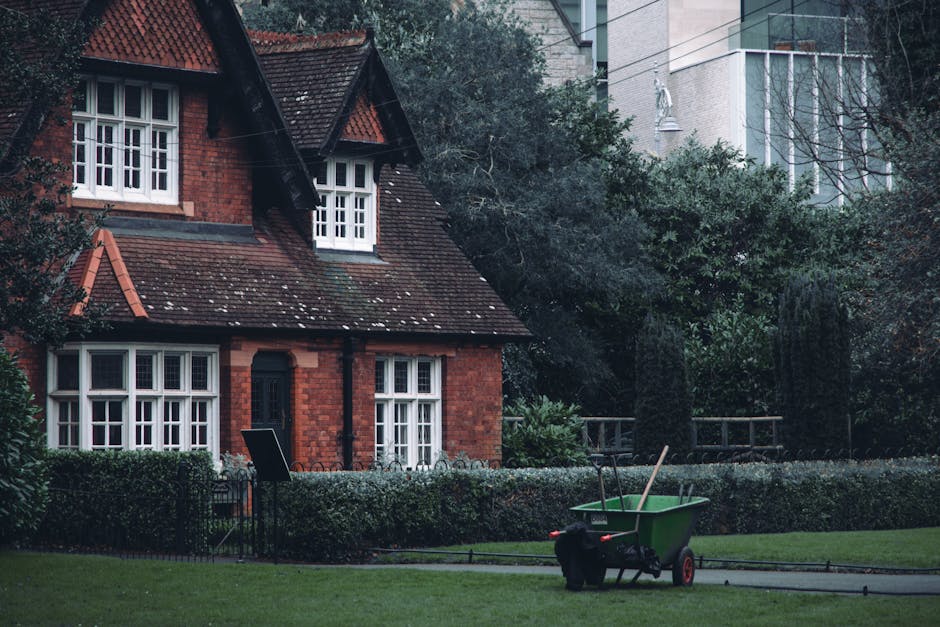
If your garden is starting to look a bit shaggy around the edges, you are not alone. Between busy weeks, changeable weather, and the usual London pace, it is easy for borders, hedges, and lawns to get away from you. That is where Fortess Road garden maintenance and hedge trimming specialists come in: steady, practical help that keeps outdoor spaces neat, healthy, and genuinely pleasant to use.
Whether you need a one-off tidy-up after a long spell of neglect or a regular maintenance plan to keep everything under control, the difference is usually in the details. A well-trimmed hedge, a properly cut lawn, and clear seasonal care can transform a garden from "we should sort that out" to somewhere you actually want to sit with a coffee. Let's walk through what good garden maintenance looks like, how hedge trimming is done properly, and what to look for if you want reliable results without the drama.
Why Fortess Road garden maintenance and hedge trimming specialists Matters
Garden care is one of those things people notice most when it goes wrong. A hedge that has been left to bulge into the pavement, a lawn that has thinned out into patches, or borders full of weeds can make an entire property feel tired. On a road like Fortess Road, where front gardens, boundary hedges, and compact outdoor spaces all need to work hard, regular upkeep is not a luxury. It is what keeps a garden usable, safe, and presentable.
Good maintenance also prevents small issues from becoming bigger and more expensive. A hedge that is trimmed properly now is less likely to become overgrown, woody, and awkward to reduce later. A lawn that is mown at the right height and in the right pattern stays healthier. A border cleared at the right time makes room for new growth instead of feeding weeds. Simple, really, but easy to overlook.
There is also a wellbeing angle, and it is not just sentimental. A tidy garden tends to feel calmer. You hear the birds more easily, the air moves better, and the whole space stops feeling like another job hanging over you. That matters if you use the garden daily, but it matters just as much if you only see it from the kitchen window.
If you are weighing up broader work beyond hedges and routine care, it can help to think in layers. Basic upkeep might sit alongside lawn care through professional lawn mowing, while more structural outdoor changes may call for landscaping support or even broader landscape gardening. The right mix depends on the garden, not the brochure.
How Fortess Road garden maintenance and hedge trimming specialists Works
In practice, a good maintenance service starts with observation. Before any cutting or clearing happens, the garden should be looked at as a whole: hedge species, growth pattern, nesting season considerations, lawn condition, weed pressure, access points, and where debris will be removed. That initial judgement is what separates tidy, thoughtful work from a rushed "hack it back and hope for the best" approach. Nobody wants that, truth be told.
Hedge trimming itself is usually tailored to the hedge type. Evergreen hedges often need shaping to keep their sides even and the base healthy, while deciduous hedges may require a different rhythm depending on growth and the look you want. A careful trim is about more than height. It is about light, balance, and maintaining a natural form while keeping boundaries neat. If a hedge is near a path or pavement, the trim also has to respect visibility and access.
Garden maintenance typically includes a recurring set of tasks: lawn mowing, edging, weed control, leaf collection, pruning of smaller shrubs, deadheading, sweeping hard surfaces, and general tidy-up work. In some gardens, it may also include clearing clutter, cutting back invasive growth, or preparing beds for a new season. If things have got out of hand, a one-off garden clearance can be the reset button before maintenance begins properly.
A sensible service will also consider disposal. Green waste should be removed responsibly, with reusable material separated where possible. That is one of those quiet signs of professionalism you do not always think about until the heap of clippings starts blocking the path. Not glamorous, but very important.
Key Benefits and Practical Advantages
There are plenty of reasons people book Fortess Road garden maintenance and hedge trimming specialists, and most of them are refreshingly practical.
- Better curb appeal: Clean lines, controlled hedges, and a neat lawn immediately improve how a property looks.
- Healthier growth: Correct cutting habits help hedges and shrubs stay fuller and less stressed.
- More usable space: Regular care stops gardens from becoming overrun, so you can actually enjoy them.
- Reduced maintenance later: Frequent light work is usually easier than a dramatic rescue job once or twice a year.
- Safer access: Clear paths, trimmed edges, and controlled growth reduce trip hazards and blocked entrances.
- Less stress for you: A routine takes the mental load off, and that counts more than people admit.
There is a softer benefit too. A garden that is looked after feels loved. You might not say it out loud, but you will notice it when you step outside on a quiet morning and the place just feels orderly. Small satisfaction, big effect.
For homeowners who want a broader outdoor refresh, maintenance can sit neatly alongside upgrades such as decking services or a more complete services overview to see how different elements of the garden can work together. Sometimes the real improvement is not one big change, but a few sensible ones in the right order.
Who This Is For and When It Makes Sense
This kind of service suits a surprisingly wide range of people. Busy families often want a garden that stays safe and tidy without eating up their weekends. Landlords may need outdoor areas kept presentable between tenancies. Older homeowners may simply want reliable help with work that has become physically awkward. And if you are someone who likes gardening in principle but not the endless keeping-on-top-of-it, well, that is a very normal position.
It also makes sense if your hedge is getting difficult to manage with domestic tools, or if the garden has seasonal build-up that keeps returning. Think of the first weeks of spring, when everything wakes up at once, or late autumn when leaves seem to arrive in endless waves. Those are the moments when a regular maintenance plan can feel less like a nicety and more like a lifesaver.
You might also need support if your garden has mixed needs. For example, a front boundary hedge may need trimming, the back lawn may need mowing, and a side return may need clearing of debris or self-seeded growth. In a small urban space, one neglected corner can make the whole thing feel messy.
If trees are part of the problem, trimming may not be enough on its own. It can be sensible to look at tree lopping and removal where appropriate, especially if branches are interfering with light, access, or neighbouring boundaries. Just be careful: tree work should always be assessed properly rather than assumed. That is one of those times where a little caution saves a lot of regret.
Step-by-Step Guidance
If you want to understand how a well-run garden maintenance visit usually unfolds, here is the practical version.
- Assess the garden. Identify what needs urgent attention, what can wait, and what requires specialist handling.
- Agree the scope. Decide whether the visit is for a one-off tidy, routine upkeep, hedge trimming only, or a combination of tasks.
- Clear access points. Move movable furniture, bins, and fragile items so the work can be carried out safely.
- Trim and shape hedges. Work methodically to maintain form, balance, and healthy growth.
- Cut and edge lawns. Keep mowing consistent and tidy the borders for a cleaner finish.
- Remove waste. Collect clippings, branches, and debris so the garden is left usable, not just cut.
- Review the result. Check whether anything needs a follow-up visit, seasonal adjustment, or longer-term planning.
That last step matters more than people think. A tidy finish is one thing, but a garden also needs a plan. If the hedge is now neat but growing fast, the next appointment should be timed before it turns into a wrestling match again. Nobody enjoys wrestling a privet hedge. Nobody.
For recurring upkeep, many people find it easier to combine hedge care with regular garden maintenance, because the tasks support each other. You are not paying twice for separate visits when one well-planned service could handle the lot.
Expert Tips for Better Results
Good results usually come from good timing, steady habits, and not cutting corners. Here are a few practical tips that make a noticeable difference.
- Trim hedges before they become unmanageable. Light, regular shaping is easier than heavy reduction.
- Do not cut too hard in hot, dry weather. Plants can stress easily, especially if they are already thirsty.
- Keep the base of the hedge slightly wider than the top. That helps lower growth receive light.
- Mow lawns consistently. Erratic cutting can leave the grass patchy and weak.
- Leave room for nesting and wildlife checks. In the UK, bird nesting season is a genuine practical consideration, so it is wise to avoid disturbing active nests.
- Use clean, sharp tools. Dull blades tear rather than cut, which is rough on plants and rough on the eyes too.
A very ordinary-looking hedge can become a surprisingly elegant feature when it is shaped well. The same goes for lawn edges. A crisp border creates a sense of order that makes the whole garden feel bigger. Small detail, big lift.
If sustainability matters to you, ask how green waste is handled and whether materials are reused or recycled where appropriate. A responsible approach is often part of a wider service ethic, not a bolt-on. You may also want to check a provider's recycling and sustainability approach if that sits high on your list.
Common Mistakes to Avoid
A lot of garden problems are not caused by neglect alone. They come from well-meant mistakes. The most common one is trimming hedges too aggressively and too often in the wrong season. This can leave bare patches, uneven regrowth, or a hedge that never quite recovers its shape. Another common issue is letting lawn care become random. One week short, next week too long, then scalped in a panic. The grass never really wins.
People also underestimate access and disposal. A neat cut is only half the job if bags of clippings are left stacked by the gate or if the side passage is clogged with branches. Another mistake is treating every hedge like the same plant. They are not. Different species respond differently, and what works for one may be poor practice for another.
And then there is the "I'll do it all in one go" approach. Sometimes that is fair enough, but if the garden has been left for months, one long session can be too much for both the plants and the person holding the tools. Better to stage the work properly. Less heroic, more effective.
One more thing: ignoring neighbouring properties can cause friction. Hedges near boundaries should be trimmed with awareness of overhang, access, and visibility. It saves awkward conversations later, which, let's be honest, nobody needs.
Tools, Resources and Recommendations
You do not need a shed full of professional kit to keep a garden in decent shape, but the right tools matter. For hedge trimming, sharp hedge trimmers, loppers, secateurs, and a sturdy rake are useful basics. For lawns, a mower that suits the size and terrain of the space is more important than buying something overpowered. In a compact urban garden, lighter and more manoeuvrable often wins.
It also helps to keep a few maintenance basics on hand:
- gloves for scratch protection
- garden waste bags or bins for quick clear-up
- a hand fork for border weeding
- long-handled shears for awkward corners
- a broom or leaf sweeper for paths and patios
If the garden is larger or more complex, the sensible recommendation is not to buy more kit blindly. It is to decide whether the work is actually better handled by regular help. For many households, that is the cleaner solution. You save space, avoid tool maintenance, and get a consistent finish.
When gardens need shaping, clearing, and routine upkeep together, it can be helpful to compare service options in one place using pricing and quotes and the broader services overview. That makes it easier to match the task to the right level of support rather than guessing.
Law, Compliance, Standards, or Best Practice
For domestic gardening, the main thing is sensible, responsible practice. You do not need to become a law expert to keep your outdoor space in order, but a reputable service should still work carefully and respectfully. That means thinking about safety, waste handling, neighbour boundaries, property access, and wildlife considerations.
In the UK, hedge work near nesting birds should always be approached cautiously, and any tree work should be assessed properly before cutting begins. Health and safety also matters on site, especially where tools, ladders, steep banks, or uneven paths are involved. A professional operator should have a clear working method and the right insurance in place. If you are comparing providers, it is perfectly reasonable to ask how they handle risk and safety. In fact, you should ask.
It is also good practice to confirm what is included, how waste is removed, and whether there are any terms around cancellations, repeat visits, or access arrangements. Clear expectations prevent most misunderstandings before they start. If you ever need reassurance on the practical side, pages such as insurance and safety, health and safety policy, and terms and conditions are worth checking as part of a trustworthy service journey.
There is also a general expectation of responsible customer treatment, especially around data, payments, and complaints handling. Those details do not sound glamorous, I know, but they tell you a lot about how a business is run. The boring bits are often the reliable bits.
Options, Methods, or Comparison Table
If you are deciding how to tackle a garden, it helps to compare the common approaches side by side.
| Approach | Best for | Strengths | Limitations |
|---|---|---|---|
| DIY maintenance | Small, simple gardens and light upkeep | Flexible, low-cost, immediate | Time-consuming, inconsistent, limited by tool quality |
| One-off tidy-up | Overgrown gardens or seasonal resets | Fast improvement, clears backlog | Needs follow-up to stay neat |
| Regular garden maintenance | Busy households, landlords, tidy front gardens | Consistent results, less stress, healthier growth | Ongoing commitment |
| Specialist hedge trimming | Tall, wide, shaped, or boundary hedges | Cleaner finish, better structure, safer handling | May need scheduled repeat visits |
The choice is not always either/or. A lot of people use a mix: a professional clean-up now, then routine care later. That often gives the best balance between cost and results. As a rule, if the garden is already affecting your day-to-day life, it is probably time to stop "managing" it in your head and get a proper plan in place.
Case Study or Real-World Example
Imagine a narrow front garden on Fortess Road with a hedge that has gone slightly feral after a wet spring. It blocks part of the pavement edge, throws extra shade on the front window, and makes the entrance feel smaller than it is. The lawn underneath has thinned because the hedge has been stealing light, and the border is full of stray seedlings. It is not a disaster. Just neglected enough to feel annoying every time you come home.
A sensible maintenance visit would start with a careful hedge trim, removing the outer growth without stripping the plant back to bare stems. The lawn would be cut and edged, the border tidied, and all clippings collected. If there were a lot of dead stems or accumulated debris, a light clearance might be needed first. That is the kind of job where combining hedge trimming with routine upkeep makes more sense than treating each bit separately.
Afterwards, the garden would not be transformed into a magazine spread. That would be silly. But it would look breathable again. The path is visible, the hedge sits back where it should, and the property feels cared for. Those little wins add up, especially in a tight London setting where every square metre has to earn its keep.
Practical Checklist
Use this checklist before booking or scheduling garden work.
- Do I want a one-off tidy-up or regular maintenance?
- Is the hedge simply untidy, or has it become structurally overgrown?
- Does the lawn need mowing, edging, or a more serious reset?
- Are there branches, weeds, or debris that should be cleared first?
- Are there access issues, narrow side passages, or fragile items to protect?
- Do I need waste removed after the job?
- Would sustainability or recycling practices matter to me?
- Do I want to combine this with broader outdoor improvements?
- Have I checked practical details such as safety, insurance, and terms?
- Do I know when the next visit should happen?
Expert summary: if your garden is becoming harder to enjoy than to look after, that is usually the signal to bring in proper help. Regular, measured care is nearly always easier than periodic panic, and the results tend to last longer too.
Conclusion
Fortess Road garden maintenance and hedge trimming specialists are about more than keeping things tidy. They help protect the health of hedges, preserve usable space, reduce stress, and make outdoor areas feel finished rather than unfinished. The work may seem simple from a distance, but the best results come from timing, judgement, and a careful eye for detail.
If you are deciding whether to book help, ask yourself a straightforward question: do you want to keep fighting the garden, or do you want a routine that keeps it under control? For most people, the answer is pretty obvious once they say it out loud.
Get a free quote today and see how much you can save.
And if you are still weighing things up, that is fine too. The right garden care should make life feel lighter, not busier. A well-kept outdoor space has a quiet kind of comfort to it, and that's worth something.
Frequently Asked Questions
What do Fortess Road garden maintenance and hedge trimming specialists actually do?
They handle routine outdoor upkeep such as hedge trimming, lawn mowing, border tidying, weed control, seasonal clear-ups, and general garden maintenance. In many cases, they also remove cuttings and leave the garden neat enough to use straight away.
How often should a hedge be trimmed?
It depends on the hedge type and how fast it grows. Some need light trimming several times during the growing season, while others need less frequent shaping. The key is regular attention rather than waiting until it becomes unruly.
Is regular garden maintenance worth it for a small garden?
Usually, yes. Small gardens can look messy very quickly because every corner is visible. Regular maintenance prevents the space from feeling cramped, and it often takes less time overall than waiting for a big tidy-up.
Can hedge trimming damage the hedge?
It can, if it is done too aggressively or at the wrong time. Over-cutting can leave bare patches or weaken regrowth. A careful trim keeps the shape controlled while still protecting the plant's health.
What is the difference between garden maintenance and garden clearance?
Garden maintenance is ongoing care that keeps a garden tidy and healthy. Garden clearance is a more intensive reset, usually for spaces that are overgrown, cluttered, or neglected. They often work well together, but they are not the same thing.
Do I need to be home during the work?
Not always, though it depends on access and your preference. Many people like to be available at the start so they can agree the scope of the work, then carry on with their day. Clear instructions help either way.
What should I do before a hedge trimming visit?
Move any fragile items, unlock access gates, and let the team know about pets, water taps, awkward entrances, or anything delicate nearby. A few minutes of preparation makes the job smoother and safer.
Can you combine hedge trimming with lawn care?
Absolutely. In fact, it often makes sense to combine them. A hedge trim without lawn edging can still leave the garden looking unfinished, while a lawn cut alone may not deal with the cluttered feel created by overgrown borders.
What if my garden has a lot of overgrowth?
Then a phased approach usually works best. Start with clearance or heavier cutting back, then move into regular maintenance. Trying to do everything in one rushed session can lead to poor results and unnecessary stress.
How do I know if a provider is trustworthy?
Look for clear information on insurance, safety, payment, terms, and complaints handling. A good provider should be easy to understand, transparent about what is included, and willing to explain the work before it starts.
Is there a best season for hedge trimming?
There is no one-size-fits-all answer, because hedge species and growth conditions vary. Generally, timing should suit the plant and avoid disturbing nesting birds or cutting during unsuitable weather. A careful professional will judge this sensibly.
Can garden maintenance improve property appearance quickly?
Yes, often very quickly. Even a single tidy-up can make a front garden look brighter, larger, and more cared for. It is one of those jobs where the visual payoff can be immediate.