What to know about Camden Council garden waste rules Kentish Town
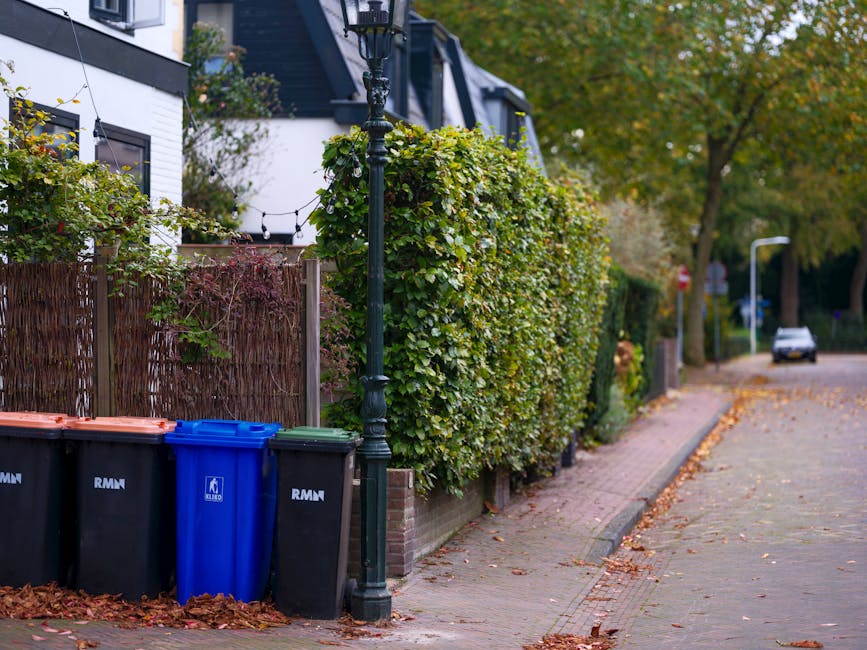
If you live in Kentish Town and your green bin seems to fill up the moment you trim a hedge or rake a lawn, you are not alone. Garden waste sounds simple enough until you start asking the awkward questions: what exactly counts as garden waste, can you mix it with household rubbish, and what happens if you put the wrong thing out? Understanding what to know about Camden Council garden waste rules Kentish Town helps you avoid missed collections, keep your outdoor space tidy, and make better choices about disposal, recycling, and garden maintenance.
Truth be told, most people only think about waste rules when they are standing over a pile of cuttings on a Sunday afternoon, wondering if it is all going to fit. This guide breaks the subject down in plain English. You will find the practical basics, the common pitfalls, what best practice looks like in a London borough setting, and when a bit of help from a local gardener can save you time, mess, and a headache or two.
- Why it matters
- How it works
- Key benefits and practical advantages
- Who this is for and when it makes sense
- Step-by-step guidance
- Expert tips for better results
- Common mistakes to avoid
- Tools, resources and recommendations
- Law, compliance, standards, or best practice
- Options, methods, or comparison table
- Case study or real-world example
- Practical checklist
- Conclusion
- Frequently asked questions
Why What to know about Camden Council garden waste rules Kentish Town Matters
Garden waste rules matter because they shape what you can do with grass cuttings, hedge trimmings, leaves, branches, and the odd bag of weeds after a weekend tidy-up. In a place like Kentish Town, where gardens can be compact, shared, or tucked behind terraces, waste builds up fast and storage space is rarely generous. That makes the rules more than a bureaucratic detail; they are part of keeping your home manageable.
There is also a very practical reason to pay attention: incorrect sorting can lead to rejected collections, extra handling, or waste ending up where it should not. Nobody enjoys dragging a heavy bag back in because it contained the wrong mix. And if your garden is being cleared, redesigned, or maintained regularly, small errors get repeated quickly. That is where a simple understanding of the council's expectations becomes genuinely useful.
If your outdoor space needs more than a quick sweep, local help can make the whole process easier. For larger clearances and regular upkeep, services such as garden clearance and garden maintenance can help keep the work organised from the start, which usually means less waste confusion later on.
Expert summary: the main point is not just disposal. It is sorting, timing, and choosing the right route for the material you have. Once you get that right, everything else becomes much calmer.
How What to know about Camden Council garden waste rules Kentish Town Works
At a practical level, garden waste rules usually come down to three things: what material is accepted, how it should be presented, and whether collection or self-disposal is the better option. Camden Council's approach, like many borough systems, is designed to separate organic garden material from general waste so it can be processed properly. That means clean, green material is treated differently from mixed rubbish, soil, rubble, or bulky items.
Most people run into trouble when they mix different waste streams. For example, a bag of hedge trimmings may seem harmless, but once it contains plastic ties, flower pots, or soil-laden roots, it stops being straightforward garden waste. It becomes a mixed load, and mixed loads are where issues start. That is the bit people underestimate, honestly.
In normal day-to-day use, the rule of thumb is simple: keep garden waste as clean and separate as you reasonably can. If you have prunings, leaves, grass, or small branches, those are usually the materials you want to keep together. If you are unsure about an item, ask yourself whether it is organic plant material or something manufactured, contaminated, or oversized. That quick mental check saves a lot of faff.
When garden waste is part of a broader project, the whole flow matters. A badly timed clearance can leave cuttings on the path, broken stems by the gate, and a bin that has no room left. By contrast, a planned tidy-up with a clear disposal route tends to be neater, quicker, and less stressful. Small thing, but it makes a difference.
Key Benefits and Practical Advantages
Understanding the rules brings more benefits than people expect. The first is obvious: fewer collection problems. If your waste is sorted properly, you are less likely to face delays or rejected bins. The second is cleanliness. Proper separation keeps your driveway, pavement edge, or rear access way looking much tidier. In tight streets, that matters more than you might think.
There is also a sustainability angle. Garden waste is one of the few household waste streams that can often be dealt with more sensibly when it is kept clean and uncontaminated. That supports recycling and composting approaches rather than sending useful organic material into the wrong place. If you care about reducing what gets wasted, this is one of the easiest habits to get right.
For people maintaining a garden over time, a clear approach to waste can also improve the work itself. A gardener who knows what needs removing, what needs cutting back, and what can be bagged separately tends to work more efficiently. If you are using broader support such as hedge trimming, lawn mowing, or even tree lopping and removal, planning disposal at the same time makes the job feel more complete.
A few practical advantages worth noting:
- less clutter around the home
- reduced chance of missed or rejected waste collection
- better hygiene, especially in warm weather when waste can smell or attract pests
- more efficient gardening sessions because cuttings are handled as you go
- easier decisions about whether to book a clearance or manage it in stages
Who This Is For and When It Makes Sense
This topic matters for a lot of different people, not just homeowners with a big back garden. In Kentish Town, the audience often includes flat owners with shared outdoor areas, landlords preparing a property for new tenants, older residents who want the garden kept manageable, and busy households that only get time for a proper tidy-up at weekends. It also matters for anyone who has just completed planting, pruning, or a seasonal cut-back and needs to deal with the aftermath properly.
It makes sense to think about the rules when you are:
- doing a one-off garden clear-out after months of growth
- managing regular maintenance and generating ongoing green waste
- preparing a garden for landscaping or a new layout
- trying to keep bins and storage spaces under control in a smaller property
- sorting out waste before or after works like decking, planting, or hard landscaping
If you are moving from a messy garden to a more structured outdoor space, the waste side of the job often needs as much attention as the design side. That is why services like landscape gardening and landscaping can be useful when the project is bigger than simple tidying.
And if you are trying to decide whether the job is worth doing yourself, ask one simple question: do you actually want to spend the next two hours bagging damp leaves and wrestling with thorny clippings? Fair question.
Step-by-Step Guidance
Here is the practical route to follow if you want to stay on the right side of the rules and keep the work manageable.
- Separate green waste from general rubbish. Put leaves, grass, soft prunings, and similar plant matter in one place. Keep packaging, metal, plastic, and household rubbish out of it.
- Check for contamination. Soil, stones, plant pots, plastic ties, string, and treated timber can change how a pile is handled. A few stray bits matter more than people think.
- Break down bulky material where possible. Smaller branches and cuttings are easier to manage. If something is too large, heavy, or awkward, that is a sign you may need a different disposal approach.
- Bag or store it neatly. Even if the waste is acceptable, poor presentation creates mess. Keep it contained so you do not leave trails of leaves across the path. Been there, cleaned that.
- Decide whether collection, reuse, or clearance is best. If the amount is small, collection may be straightforward. If the pile is larger, mixed, or time-sensitive, a dedicated clearance may be the saner choice.
- Plan around the work. If you are mowing, pruning, or cutting back hedges, tidy as you go rather than creating one giant heap at the end.
A useful local habit is to look at your garden in zones: lawn, beds, borders, hedges, and any tree work. That helps you estimate the volume of waste before you start. On a chilly morning, that may not sound exciting, but it avoids the unpleasant surprise of three extra bags and nowhere to put them.
Expert Tips for Better Results
From a practical gardener's point of view, the best results usually come from planning around the waste rather than treating waste as an afterthought. One of the simplest tricks is to create separate piles as you work: one for soft green waste, one for woody material, and one for anything that needs special handling. That sounds basic because it is basic. Basic works.
Another tip is to avoid letting damp cuttings sit for too long. Wet clippings become heavier, smellier, and messier. You may notice that after a wet spell the pile looks innocent enough, but lifting it tells a different story. If you can, deal with garden waste the same day.
For ongoing garden care, regular maintenance usually beats big occasional clear-outs. It spreads the work, reduces the volume each time, and keeps the garden from turning into a half-forgotten jungle. If you want to keep things under control, services like garden maintenance are often the more economical option over time, especially for properties that produce steady green waste.
Here are a few small things that help more than you might expect:
- use sturdy bags or containers that will not split mid-carry
- cut branches down to manageable sizes before stacking them
- keep waste away from doors and shared walkways
- avoid mixing soil with prunings unless you know it is acceptable
- schedule bigger works when you have enough time to clear up properly
And yes, it is always the last bag that somehow feels twice as heavy. Garden waste has a sense of drama about it.
Common Mistakes to Avoid
The most common mistake is mixing garden waste with general household rubbish. People do it because the bag is already open, or because they are in a hurry, but that one shortcut can create the biggest problem later. A close second is overfilling containers so they are hard to move or present badly. If the bag is bulging like it is about to burst, it probably needs splitting.
Another mistake is forgetting about hidden contamination. A few ties, bits of plastic edging, or bits of broken pot can sneak in without anyone noticing. That is especially easy after a big cut-back. You are looking at the branches, not the random odds and ends buried underneath.
People also underestimate how much waste a "small tidy" can create. A hedge trim that seemed harmless can produce an astonishing mound of cuttings. Same with tree work. If the job is larger than expected, it is better to pause and adjust the disposal plan than to keep pushing and hope it sorts itself out. It usually does not.
Watch out for these avoidable errors:
- bagging wet grass with general rubbish
- leaving waste in public view for too long
- assuming every organic-looking item is acceptable
- putting oversized branches out without checking how they will be handled
- ignoring the volume of waste when planning a gardening day
Tools, Resources and Recommendations
You do not need fancy equipment, but the right basics make a visible difference. A decent rake, strong garden sacks, secateurs, loppers, gloves, and a wheelbarrow or trug will make sorting and moving waste much easier. For larger gardens, a tarp can be surprisingly useful because it gives you a clean area for dragging cuttings into one place. Nothing glamorous. Just effective.
If you want to keep waste handling sensible over the long term, a few recurring resources are worth having in mind. A pruning saw helps with thicker stems, a proper storage area keeps cuttings off the damp ground, and a simple habit of separating material as you go reduces contamination. It is a small system, but it works.
For people balancing upkeep with budget, it can help to compare one-off clearances against routine maintenance. A quick review of pricing and quotes can be useful when you are deciding whether the job is a tidy-up, a clearance, or a regular service. You may find that a planned schedule works out better than constant emergency clear-outs. Less stress, too.
Useful supporting services and pages to think about include:
- services overview for a broad look at available help
- recycling and sustainability if you want the greener route
- garden clearance when the volume is simply too much for one person
- contact us when you need a direct conversation about the job
Law, Compliance, Standards, or Best Practice
Garden waste handling sits within wider UK expectations around waste segregation, responsible disposal, and not creating nuisance or obstruction. The exact collection setup can change, and local council procedures can differ, so it is always wise to confirm current Camden Council arrangements before you put anything out. That is the careful answer, and the honest one.
From a best-practice point of view, the safest approach is to keep garden waste separate, avoid contamination, and make sure anything left for collection is presented properly. If you are using a gardener or clearance service, it is sensible to choose a provider that works cleanly, communicates clearly, and handles waste responsibly. You want someone who treats the practical side seriously, not someone who just dumps everything in one heap and disappears into the drizzle.
There are also broader standards around environmental care, safety, and duty of care. Even if your own garden is small, the principles are the same: do not leave hazardous material mixed in with organic waste, do not create trip hazards, and do not assume that all cuttings can be handled in exactly the same way. If a job feels borderline, slow down and check.
For larger or more technical work, especially where ladders, sharp tools, or heavier debris are involved, it is sensible to think about safety as part of compliance rather than as a separate issue. If you are comparing providers, the pages on health and safety policy and insurance and safety give useful reassurance about the kind of standards a professional service should maintain.
Options, Methods, or Comparison Table
There is more than one way to deal with garden waste in Kentish Town. The right choice depends on how much you have, how quickly you need it gone, and whether the material is clean and easy to separate. Here is a simple comparison to help you think it through.
| Option | Best for | Pros | Watch-outs |
|---|---|---|---|
| Routine council-style garden waste handling | Small, regular amounts of clean green waste | Simple, familiar, suitable for ongoing maintenance | Needs correct sorting and presentation; not ideal for mixed loads |
| One-off garden clearance | Big clear-outs, overgrown gardens, pre-sale tidy-ups | Fast, practical, handles larger volumes | Can be more disruptive if the job has been left too long |
| Regular garden maintenance | Homes that generate steady cuttings throughout the year | Keeps waste smaller and easier to manage | Requires consistency, which some households find hard to keep up |
| Project-based landscaping | Garden redesigns, new borders, reshaping outdoor space | Combines waste control with longer-term improvement | Needs planning, especially if soil, timber, or old features are being removed |
If you are deciding between these options, think less about the "best" method in theory and more about what actually fits your garden right now. A small paved yard and a mature rear garden do not produce the same kind of waste. Obvious, but easy to forget when you are in the middle of the job.
Case Study or Real-World Example
Imagine a Kentish Town resident with a modest rear garden that has not had a proper tidy-up since late summer. The hedge has grown unevenly, the lawn has gone patchy, and a few planters have cracked over winter. What starts as a quick Saturday job turns into a much bigger pile: hedge trimmings, weeds, dead leaves, and broken bits of pot.
At that point, the issue is no longer just cutting back the plants. It is how to separate the waste, keep the space usable, and avoid creating a mess in a narrow access path. In a case like this, the most effective approach is usually to cut, sort, and clear in stages. The gardener trims the hedge, removes soft green material first, separates any woody pieces, and keeps all non-organic items out of the pile. If there is too much to deal with safely in one go, the work gets split across the day or handed over as a proper clearance.
What changed the outcome here was not a miracle tool or a clever hack. It was planning. The work looked less dramatic by the end, the garden could be used sooner, and the waste did not become a second project. That is often the real win.
Practical Checklist
Use this quick checklist before you set anything out or book help:
- Have I separated green waste from general rubbish?
- Are there any plastic ties, pots, stones, or other contaminants mixed in?
- Is the waste dry enough to handle easily?
- Have I broken down branches or bulky items where possible?
- Do I know whether this is a regular maintenance job or a bigger clearance?
- Is the waste stored neatly and safely, not blocking access?
- Would a planned service make more sense than trying to manage it alone?
- Have I checked the current local collection expectations before putting anything out?
If you can tick most of those boxes, you are already in a much better position than many people who just pile everything together and hope for the best. Small systems, repeated steadily, are what keep gardens sane.
Get a free quote today and see how much you can save.
Conclusion
The main thing to remember about what to know about Camden Council garden waste rules Kentish Town is that the rules are not there to make life awkward; they are there to keep waste manageable, separate, and handled properly. Once you understand what counts as garden waste, what should be kept out of it, and when a bigger clearance makes more sense, the whole process gets far easier.
For many households, the real benefit is peace of mind. You know what goes where, you avoid wasted effort, and your outdoor space stays under control instead of slowly drifting into chaos. And let's face it, a tidy garden just feels better when you step outside in the morning and hear the birds rather than stare at a pile of clippings waiting for judgment.
If you need ongoing help with keeping the garden neat, browsing about us and the wider service options can be a sensible next step. A little planning now saves a lot of mess later. That is the simple truth, really.
Frequently Asked Questions
What counts as garden waste in Kentish Town?
In general, garden waste means organic material from your outdoor space, such as grass cuttings, hedge trimmings, leaves, weeds, and small prunings. Anything mixed with household rubbish, plastic, metal, soil, or other contamination may need a different disposal approach.
Can I put soil in garden waste?
Usually, soil is treated differently from clean green waste. A little soil on roots or plants may be unavoidable, but large amounts of soil can change how the waste is handled. If you have a lot of soil from digging, it is best to check the current local guidance before mixing it with garden cuttings.
What should I do with hedge cuttings after trimming?
Keep hedge cuttings separate from general rubbish, and try to avoid mixing in ties, wire, or plastic plant supports. If the cuttings are bulky, chopping them down first can make them easier to manage. For bigger jobs, hedge work often goes hand in hand with hedge trimming services.
Is it better to use council collection or book a garden clearance?
It depends on the amount and type of waste. Small, regular amounts are usually easier to manage through normal collection arrangements, while larger overgrown gardens, post-renovation tidy-ups, or mixed piles are often better handled by a clearance service.
How can I reduce garden waste in the first place?
Regular maintenance is the easiest way. Smaller, more frequent cuts create less waste than waiting for everything to overgrow. Composting suitable organic material can also help, if you have room and the right setup. A steady approach saves effort later.
What happens if I mix garden waste with general rubbish?
Mixed waste can be rejected, delayed, or treated differently from clean green waste. It is also harder to process responsibly. The safest habit is to separate waste as you create it rather than sorting through it afterwards, which is rarely fun.
Do I need special bags for garden waste?
That depends on how the waste is being collected or handled. In many cases, the key issue is not the exact bag type but whether the waste is presented neatly, safely, and without contamination. Strong bags or containers are a good idea either way.
Can garden waste include branches and twigs?
Yes, smaller branches and twigs are usually part of garden waste, but very thick or awkward branches may need to be cut down first or handled separately. If the material comes from a larger tree job, it is worth thinking about whether tree lopping and removal is the better route.
What is the easiest way to keep on top of garden waste in a small Kentish Town garden?
The easiest method is to tidy little and often. Regular lawn care, light pruning, and prompt bagging of cuttings stop the waste from building up. In smaller gardens, regular visits from a gardener can make a surprisingly big difference.
When should I book professional help?
Book help when the waste is too much to move safely, when access is awkward, when the garden has become heavily overgrown, or when you want the whole job done quickly and cleanly. If you are unsure, a simple discussion through the contact page can point you in the right direction.
How do garden waste rules affect landscaping projects?
They matter quite a lot. Landscaping often involves removing old plants, lifting debris, cutting back overgrowth, and dealing with materials that are not all handled the same way. If you are planning a redesign, waste management should be part of the project from the start, not something added at the end.
Where can I learn more about responsible disposal and sustainability?
For a broader view of environmentally sensible garden upkeep, the recycling and sustainability page is a good place to start. It helps to think beyond one collection and look at how the garden is maintained across the year.
Some weeks, it is just a few leaves and a clipped border. Other times, it is a full-scale clear-out and a garden that looks a bit shocked about the attention. Either way, knowing the rules gives you a calmer, more sensible way to handle the job-and that is worth having.